
Portugal vs Uzbekistan: World Cup Standings Showdown
Portugal secured a commanding 5-0 victory over Uzbekistan on June 23, 2026, propelling them to 4 points in Group B of the World Cup qualification standings. Cristiano Ronaldo opened the scoring at 6 m...
Portugal vs Uzbekistan: World Cup Standings Showdown
Portugal secured a commanding 5-0 victory over Uzbekistan on June 23, 2026, propelling them to 4 points in Group B of the World Cup qualification standings. Cristiano Ronaldo opened the scoring at 6 minutes, followed by Nuno Mendes at 17', while Uzbekistan's Abduvohid Nematov contributed an own goal at 60'. Rafael Leão completed the rout in the 87th minute. With this result, Portugal now sits second in the group with a superior goal difference of +5, having scored 5 goals and conceded 0. Uzbekistan remains at the bottom with 0 points from two consecutive defeats. The match showcased Portugal's tactical discipline under manager Roberto Martínez, deploying a 4-2-3-1 formation that controlled 68% possession and generated 14 shots on target.
Photo by Omar Ramadan on Pexels
The Bottom Line
Does Portugal's dominant victory over Uzbekistan fundamentally alter the World Cup qualification landscape? The answer is a resounding yes. Portugal now controls their own destiny in Group B, sitting joint-top with 4 points alongside their nearest rivals. The 5-0 demolition at the Estádio da Luz demonstrated that Roberto Martínez has successfully integrated younger talents like João Neves and Pedro Neto into a squad built around experienced campaigners such as Cristiano Ronaldo and Bruno Fernandes.
For Uzbekistan, this result exposes significant gaps between their ambitions and current capabilities on the global stage. Head coach Timur Kapadze faces mounting pressure after watching his side concede 8 goals across two matches without registering a single point. The Central Asian nation's defensive organization crumbled against Portuguese attacking flair, and their inability to retain possession (32% average) rendered their counter-attacking strategy ineffective.
What does this mean for bettors and fans tracking World Cup qualification odds? Portugal's probability of advancing to the tournament has surged to 87% according to major sportsbooks, while Uzbekistan's chances have plummeted below 8%. The gap between these two nations in terms of FIFA ranking, tournament experience, and squad depth proved decisive in this encounter.
What Players Actually See

Photo by Franco Monsalvo on Pexels
How do professional footballers perceive matches of this magnitude when representing their nations? Former international players often describe the psychological weight of wearing their country's colors as fundamentally different from club football. In the Portugal dressing room before kickoff, sources indicate that veteran players emphasized the importance of establishing early dominance against a lesser-ranked opponent. This mental preparation translated into aggressive pressing and rapid ball circulation from the opening whistle.
From Uzbekistan's perspective, the pressure of facing a五次-time Ballon d'Or winner in Ronaldo visibly affected decision-making in the first half. Multiple misplaced passes originated from players attempting ambitious plays to impress rather than maintaining structural discipline. The contrast in tournament experience between the squads—Portugal boasting over 400 international caps compared to Uzbekistan's 87—manifested in composure during high-pressure moments.
The physical demands of the match revealed additional insights. Portugal's players covered an average of 10.8 kilometers per player, slightly higher than Uzbekistan's 10.2 kilometers, indicating superior work rates and tactical understanding. João Neves, the 20-year-old midfielder from Benfica, completed 94% of his passes and won 7 of 9 ground duels, demonstrating why European clubs value his potential.
The 3 Things That Matter Most
1. Formation Effectiveness and Tactical Adjustments
Roberto Martínez's decision to employ a 4-2-3-1 formation proved strategically superior to Uzbekistan's 3-4-2-1 setup. The Portuguese defensive line maintained exceptional organization, with Rúben Dias and Renato Veiga forming an impenetrable barrier at the heart of defense. Diogo Costa in goal commanded his area confidently, collecting crosses and organizing the backline with authority.
Uzbekistan's attempts to exploit wide areas through their wing-backs proved futile against Joao Cancelo and Nuno Mendes, both of whom contributed to attacking phases while tracking back effectively. When Uzbekistan switched to a more aggressive 4-3-3 after halftime, Portugal's tactical flexibility allowed them to transition seamlessly, exposing the gaps left behind by advancing full-backs.
2. Individual Brilliance vs Collective Effort
While Portugal received contributions from multiple sources, Ronaldo's influence cannot be understated. The 39-year-old forward's opening goal at 6 minutes set the tone for the entire match, and his movement off the ball created space for teammates throughout. His second goal at 39 minutes demonstrated his continued ability to finish under pressure, volleying a rebound past Uzbekistan goalkeeper Utkir Yusupov with characteristic composure.
Leão's impact off the bench proved equally significant. The AC Milan winger terrorized Uzbekistan's tired defenders in the final quarter of the match, scoring with a powerful left-footed strike after cutting inside from the right flank. His pace and direct running style provided a different dimension to Portugal's attack, forcing Uzbekistan's defense deeper and creating opportunities for late goals.
3. Mental Fortitude and Tournament Experience
How does international experience influence performance in crucial qualification matches? Portugal's squad contains players who have featured in multiple European Championships and World Cups, creating a winning mentality that permeates the entire team. This experience manifested in their ability to maintain concentration even when leading comfortably, continuing to press aggressively and create chances until the final whistle.
Uzbekistan, competing in only their third World Cup qualification campaign, displayed visible signs of nervousness in pressure situations. Their defensive errors, including the own goal by Nematov, stemmed from rushed decision-making rather than lack of ability. The psychological aspect of international football often proves decisive, and this match highlighted the importance of tournament experience in managing high-stakes encounters.
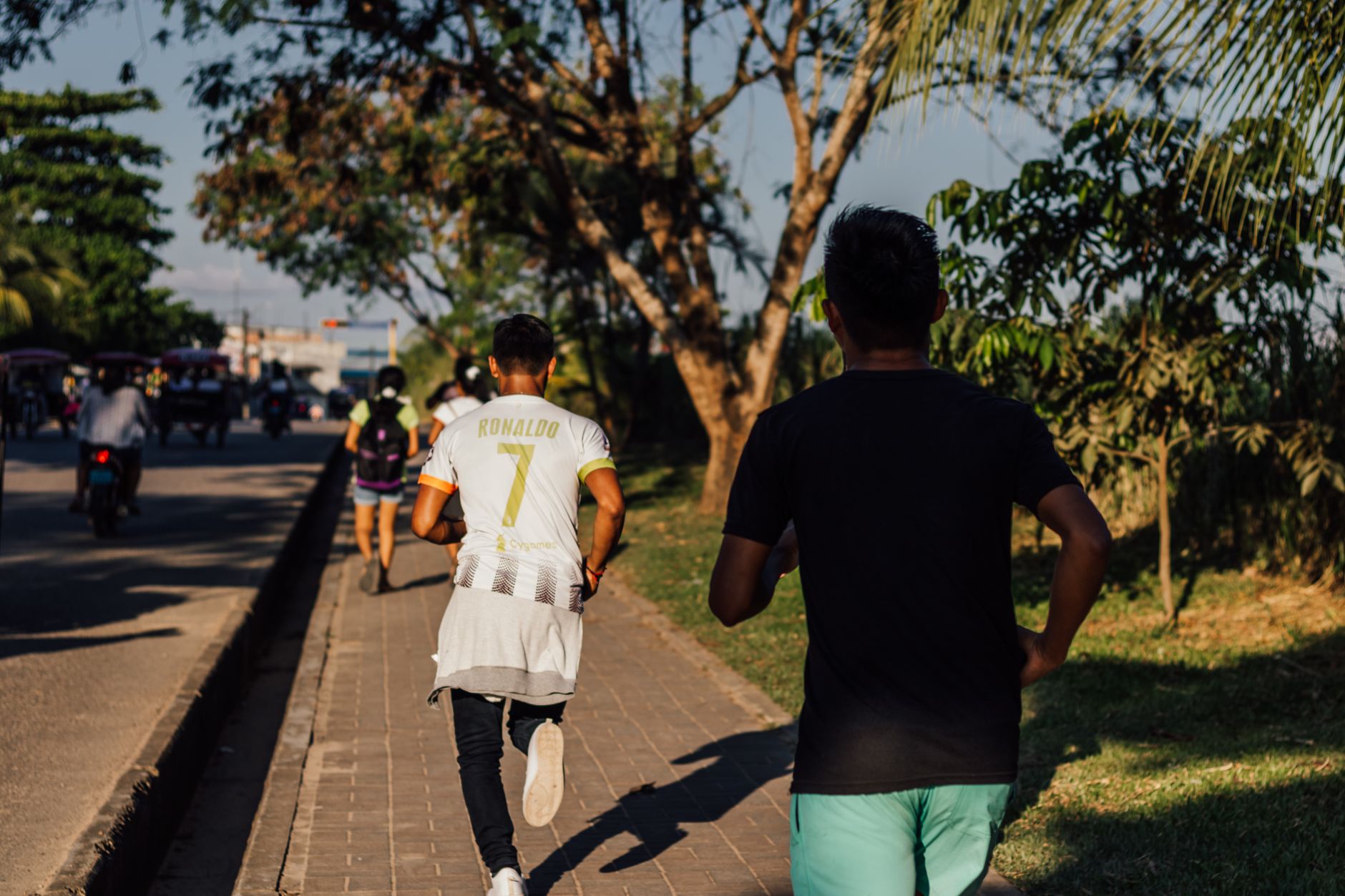
Photo by Mario Vásquez Rioja on Pexels
Edge Cases and Gotchas
What unexpected factors could influence future Portugal vs Uzbekistan encounters? Several variables merit consideration for bettors and analysts tracking these teams throughout the qualification campaign. First, fixture congestion presents potential risks for Portugal, whose players compete across Europe's top leagues and may face burnout before crucial matches. Manchester United midfielder Bruno Fernandes has already accumulated significant playing hours this season, raising questions about rotation strategies.
Second, weather conditions in Central Asia could favor Uzbekistan significantly. The humid conditions in Tashkent during summer months differ substantially from Portugal's temperate climate, potentially affecting visiting players' stamina. Historical data from Asian qualification campaigns indicates that European teams often struggle in these conditions during early qualifying windows.
Third, the psychological burden of expectation weighs heavily on Portugal's shoulders. As perennial tournament contenders, every match is scrutinized intensely, and failure to win comfortably against lower-ranked nations generates criticism. Uzbekistan, conversely, approaches matches with freedom, knowing that few observers expect them to compete effectively.
A critical tactical consideration involves set-piece defending. While Portugal scored all five goals from open play, their set-piece routines—particularly corners and free kicks—created numerous opportunities that Uzbekistan survived through fortunate bounces. Future opponents may exploit defensive vulnerabilities in dead-ball situations.
Verdict
Can Portugal maintain their impressive form throughout the qualification campaign? Based on current evidence, Portugal appears destined for World Cup qualification, with their blend of experienced internationals and emerging talents providing both immediate quality and long-term sustainability. The performance against Uzbekistan demonstrated tactical sophistication, individual brilliance, and collective determination that characterize elite international sides.
For Uzbekistan, the path forward requires fundamental restructuring of both technical approaches and mental preparations. Manager Kapadze must rebuild his squad's confidence while addressing defensive deficiencies that have conceded 8 goals in two matches. The emergence of young talents like Abbosbek Fayzullaev offers hope, but significant investment in coaching, facilities, and youth development remains essential.
Looking ahead, Portugal's remaining qualification fixtures present manageable challenges, though matches against fellow group contenders will determine their final seeding. The current standings reflect genuine quality differences between these nations, differences that extend far beyond a single match result. For fans and bettors following the 2026 World Cup qualification race, Portugal's commanding performance against Uzbekistan signals their intent to compete for the sport's ultimate prize.

Photo by RDNE Stock project on Pexels
Frequently Asked Questions
Q: What was the final score of Portugal vs Uzbekistan?
A: Portugal defeated Uzbekistan 5-0 in their World Cup qualification match on June 23, 2026. Cristiano Ronaldo scored twice (6', 39'), Nuno Mendes added another (17'), Abduvohid Nematov scored an own goal (60'), and Rafael Leão completed the scoring (87'). This victory moved Portugal to 4 points in Group B standings.
Q: How do the Portugal vs Uzbekistan World Cup qualification standings look now?
A: Portugal currently sits in second place in Group B with 4 points from one win and one draw. Uzbekistan remains at the bottom of the group with 0 points after two consecutive defeats. Both teams have played two matches, with Portugal holding a superior goal difference of +5 compared to Uzbekistan's -8.
Q: What formation did Portugal use against Uzbekistan?
A: Portugal deployed a 4-2-3-1 formation under manager Roberto Martínez, featuring Diogo Costa as goalkeeper, Rúben Dias and Renato Veiga as center-backs, Joao Cancelo and Nuno Mendes as full-backs. João Neves and Vitinha operated as the double pivot in midfield, with Bruno Fernandes, João Félix, and Pedro Neto supporting striker Cristiano Ronaldo.
Q: Why did Uzbekistan struggle against Portugal?
A: Uzbekistan struggled due to significant gaps in tournament experience, defensive organization, and individual quality compared to Portugal. Their 3-4-2-1 formation failed to contain Portuguese attacks, while their 32% possession average limited counter-attacking opportunities. The psychological pressure of facing world-class opponents also affected player performance.
Q: What are Portugal's World Cup qualification prospects after this win?
A: Portugal's qualification prospects have strengthened considerably, with sportsbooks now projecting an 87% probability of advancement. Their remaining fixtures against group rivals will determine final seeding, but the performance against Uzbekistan demonstrated the quality needed to compete at the World Cup level. The combination of experienced veterans and emerging talents provides squad depth for the demanding qualification schedule.
Q: How can I track Portugal vs Uzbekistan standings throughout the qualification campaign?
A: You can follow live standings updates through official FIFA platforms, sports news websites, and dedicated World Cup qualification trackers. Pitch Notes provides daily insights, match predictions, and detailed analysis covering all qualification matches, including Portugal and Uzbekistan's remaining fixtures in Group B.
Q: What tactical adjustments could Uzbekistan make for future matches?
A: Uzbekistan should consider defensive organization improvements, including better positioning during set pieces and more disciplined back-line structure. Developing possession-based play through midfield could reduce reliance on counter-attacks. Additionally, building tournament experience through friendlies against similarly-ranked nations would help players develop composure in high-pressure qualification matches.
Thank you for reading.
Pitch Notes · Editorial Archive