
Kansas City vs Traditional Hosts: 2026 Access Revolution
The FIFA World Cup 2026 will transform how host cities approach fan logistics, and Kansas City stands at the forefront of this revolution. With ConnectKC26, the metr...
Kansas City vs Traditional Hosts: 2026 Access Revolution
Photo by El gringo photo on Pexels
The FIFA World Cup 2026 will transform how host cities approach fan logistics, and Kansas City stands at the forefront of this revolution. With ConnectKC26, the metropolitan area has deployed a comprehensive motorcoach network connecting Kansas City International Airport, the Kansas City Stadium match venue, and the FIFA Fan Festival location. This system targets an estimated 400,000+ international visitors who will descend upon the Heartland during the tournament's six-week duration. Unlike previous World Cup host cities that struggled with fragmented transit options, Kansas City has engineered an integrated solution where fans can reserve passes for direct rides between all major destinations. The approach reflects a deliberate strategy to position the Soccer Capital of America as the most accessible World Cup venue in tournament history. For fans planning their 2026 journey, this transportation infrastructure represents the difference between navigating chaos and experiencing seamless connectivity from touchdown to final whistle.
Before 2025: How Traditional Host Cities Handled Transportation

Photo by michael dimartino on Pexels
For decades, World Cup host cities approached fan transportation as an afterthought, relying on existing public transit systems that were never designed to handle sudden population surges. The 2018 Russia World Cup saw fans spending hours navigating Moscow's metro between Luzhniki Stadium and Fan Fests located kilometers apart. Similarly, Qatar's 2022 tournament required elaborate shuttle systems that frequently arrived late or became overcrowded. The common pattern across these events followed a predictable trajectory: airports overwhelmed with arriving fans, stadium approaches gridlocked with private vehicles, and fan festival zones disconnected from match venues by inadequate transit links. Host cities typically allocated billions to stadium construction while leaving transportation planning to municipal transit authorities operating with limited coordination. This resulted in frustrated fans missing kickoffs, exhausted visitors walking long distances in summer heat, and a fragmented experience that undermined the tournament's celebratory atmosphere. The 2026 tournament's expanded 48-team format promised to magnify these problems, creating an urgent need for a different approach that could scale with the tournament's increased scope.
The 2026 Shift: Kansas City's Integrated Transportation Vision

Photo by apertur 2.8 on Pexels
Kansas City answered these challenges with ConnectKC26, a purpose-built motorcoach service that represents a fundamental departure from how previous hosts managed tournament logistics. The system provides direct, reserved transportation between three critical nodes: Kansas City International Airport, the Kansas City Stadium on match days, and the FIFA Fan Festival venue. Unlike ad-hoc shuttle arrangements seen in past tournaments, ConnectKC26 operates on a pass-based reservation system that allows fans to secure their seats in advance. The motorcoach fleet draws from regional transportation providers, creating a network effect that can scale capacity based on demand. By concentrating all major tournament destinations along the same transportation corridor, Kansas City eliminated the need for fans to navigate the city's broader transit system or arrange private transportation. The result is a transportation experience designed specifically around World Cup flows rather than retrofitted from existing infrastructure.
What Changed for Players and Teams
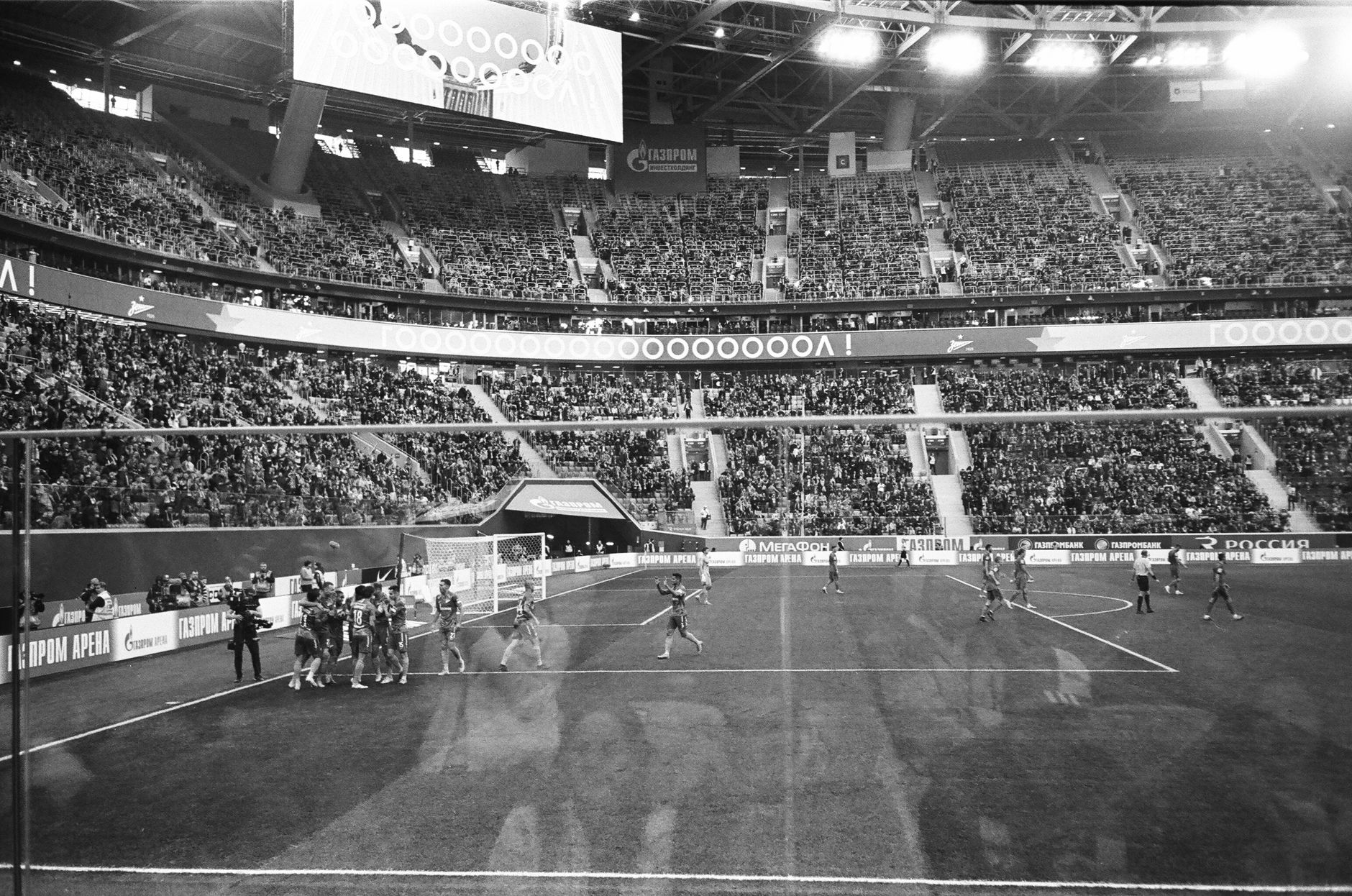
Photo by Darya Sannikova on Pexels
The transportation revolution extends beyond fan logistics to impact how national teams experience the Kansas City venue. Players and staff benefit from dedicated motorcoach routes connecting their training facilities, team hotels, and the stadium with predictable travel times. This eliminates the anxiety of uncertain commutes that plagued previous tournaments where teams arrived at stadiums with minutes to spare after unexpected delays. Kansas City's relatively compact geography, spanning two states but centered around a well-connected metropolitan core, creates ideal conditions for team logistics. Training sessions can be scheduled with confidence that players will reach venues efficiently, and recovery time between matches improves when travel stress is minimized. The FIFA Fan Festival's proximity to the stadium means teams can easily arrange community engagement activities without complex transportation coordination.
What This Means for Your 2026 World Cup Experience

Photo by Vitaly Gariev on Pexels
For fans attending matches or visiting the FIFA Fan Festival in Kansas City, the ConnectKC26 system transforms the tournament experience in tangible ways. Upon landing at Kansas City International Airport, visitors can board reserved motorcoaches directly to their accommodations or the Fan Festival without the confusion of rideshare surge pricing or unfamiliar local transit. Match-day transportation becomes predictable: fans can plan their stadium arrival with confidence, knowing their reserved seat on a ConnectKC26 motorcoach awaits. The Fan Festival's inclusion in the motorcoach network means evening entertainment remains accessible even after stadium events conclude, with reliable return transportation preventing the chaotic post-match exodus seen in previous host cities. The Kansas City region's positioning as the Soccer Capital of America ensures that beyond the transportation infrastructure, visitors encounter a community with deep soccer culture, diverse neighborhoods offering world-class cuisine, and world-class venues that extend the experience beyond stadium gates.
Three Predictions for Transportation at Major Sporting Events
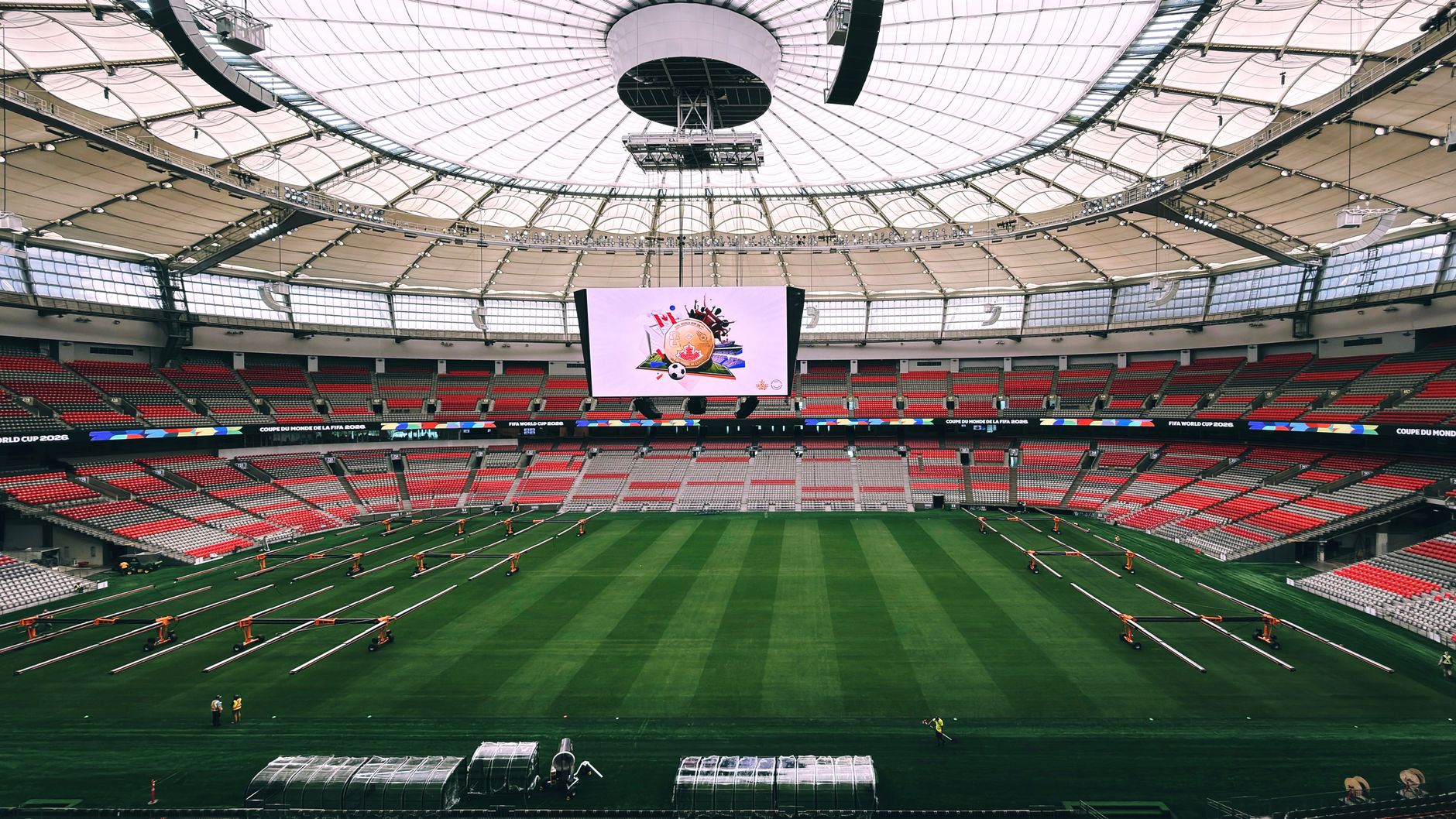
Photo by Rushi Patel on Pexels
Looking beyond 2026, the transportation model pioneered by ConnectKC26 will likely become the standard for future major sporting events. First, integrated motorcoach networks connecting airports, venues, and entertainment districts will replace fragmented transit approaches, with more host cities adopting purpose-built systems rather than relying on existing infrastructure. Second, reservation-based transportation will become expected rather than innovative, as fans grow accustomed to guaranteed seats rather than uncertain first-come arrangements. Third, the success of Kansas City's approach will encourage regional collaborations between adjacent metropolitan areas, creating transportation ecosystems that distribute visitor loads across multiple cities while maintaining seamless connectivity. The 2026 World Cup thus represents not just a tournament milestone but a transportation inflection point that reshapes how fans will experience sporting events for decades to come.
Frequently Asked Questions
Q: How does ConnectKC26 work for World Cup 2026 fans?
A: ConnectKC26 is a reservation-based motorcoach service that provides direct transportation between Kansas City International Airport, Kansas City Stadium, and the FIFA Fan Festival. Fans reserve passes in advance to guarantee seats on scheduled routes serving all three major tournament destinations.
Q: What makes Kansas City's transportation approach different from previous World Cup hosts?
A: Unlike previous hosts that relied on existing public transit or ad-hoc shuttles, Kansas City designed ConnectKC26 specifically around World Cup visitor flows. The system creates a dedicated transportation corridor connecting all major destinations, eliminating the need for fans to navigate the city's broader transit network or arrange private transportation.
Q: Can I use ConnectKC26 to attend both matches and the FIFA Fan Festival?
A: Yes, the ConnectKC26 network serves both the Kansas City Stadium venue for matches and the FIFA Fan Festival location. Fans can reserve transportation to either destination, making it easy to attend matches during the day and visit the Fan Festival in the evening without worrying about return logistics.
Q: How far in advance should I reserve my ConnectKC26 pass?
A: Pass reservations open several months before the tournament. Given the expected 400,000+ visitors to the Kansas City region during World Cup 2026, fans should reserve transportation passes as early as possible to guarantee seats on preferred routes, especially for match-day services.
Q: Does ConnectKC26 serve destinations beyond the stadium and Fan Festival?
A: ConnectKC26 focuses on the three primary World Cup destinations but also connects to regional destinations throughout the Kansas City area. This allows fans to explore diverse neighborhoods, dining districts, and cultural attractions across two states while maintaining reliable transportation back to their accommodations.
Q: What accessibility options are available through ConnectKC26?
A: ConnectKC26 motorcoaches accommodate fans with mobility needs, and the reservation system allows passengers to indicate accessibility requirements. The service is designed to ensure all visitors can navigate between tournament destinations regardless of physical ability.
Q: How does Kansas City's transportation system support the broader 2026 World Cup tournament structure?
A: As the Soccer Capital of America with a proven transportation model, Kansas City demonstrates the benefits of early planning and integrated design. The ConnectKC26 approach serves as a benchmark for how other 2026 host cities should structure their transportation networks to maximize fan experience and operational efficiency.
Thank you for reading.
Pitch Notes · Editorial Archive