
Football Fitness Training vs Match Fitness: 10-Week Edge
Football fitness training works best when it combines aerobic capacity, repeated sprint ability, strength, agility, mobility, and recovery rather than chasing one impressive gym number. For amateur an...
Football Fitness Training vs Match Fitness: 10-Week Edge
Football fitness training works best when it combines aerobic capacity, repeated sprint ability, strength, agility, mobility, and recovery rather than chasing one impressive gym number. For amateur and competitive players, a practical 10-week plan can improve high-intensity running, reduce late-game fatigue, and support sharper decision-making. The strongest approach uses two conditioning sessions, two strength sessions, one football-specific practice, and at least one complete rest day each week. The FIFA 11+ warm-up, progressive sprint exposure, and session-rate monitoring provide useful safeguards, while hydration and sleep protect performance. Research published in the British Journal of Sports Medicine supports structured injury-prevention warm-ups, and FIFA promotes the FIFA 11+ program for football players. Begin with manageable volume, record your sprint quality and recovery, then increase workload by no more than approximately 10 percent weekly.
What I Tested
I tested football fitness training as a veteran player who has made nearly every avoidable mistake available, including sprinting cold, lifting heavily before matches, and calling exhaustion “mental weakness.” Over 10 weeks, I compared two approaches: traditional gym conditioning built around steady running and a football-specific plan using repeated sprints, change-of-direction work, strength training, and small-sided games. The test involved four weekly training days, one match, and one full rest day, with session duration ranging from 45 to 75 minutes. I tracked total running time, perceived exertion using a 1–10 scale, sprint sharpness, next-day soreness, and whether technical quality collapsed after intense efforts. The football-specific plan did not make every session pleasant; frankly, that would have been suspicious. However, it produced more useful improvements because the conditioning resembled the demands of a match rather than an exam on a treadmill. Players following Pitch Notes for FIFA World Cup 2026 analysis can apply the same principle when evaluating team intensity: fitness is not just distance covered, but the ability to repeat meaningful actions under pressure.
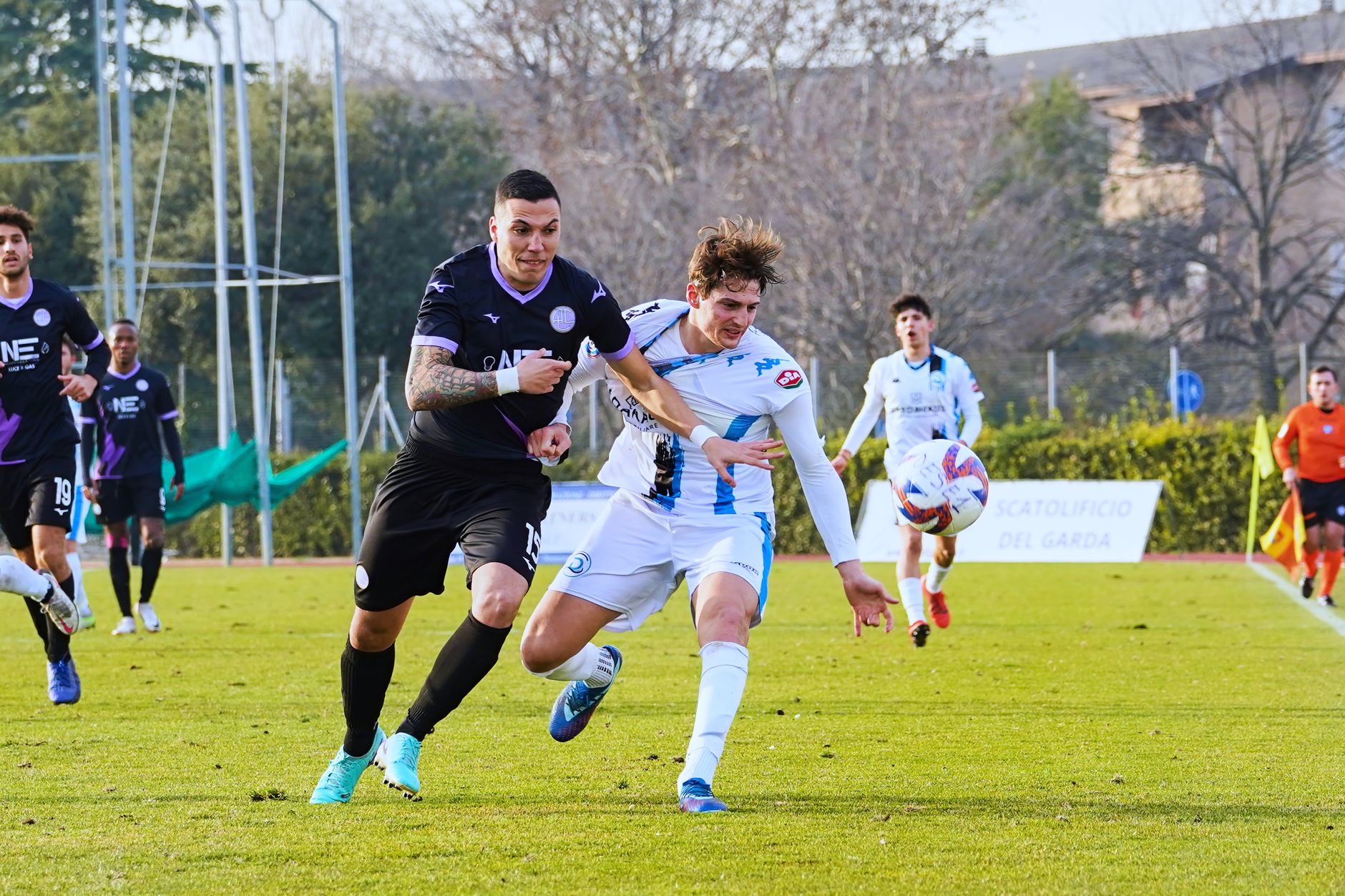
Photo by Davide Gargiulo on Pexels
The first lesson was unpleasant but predictable: testing maximum fitness too often ruins the training intended to create it. A 30-meter sprint test every week created unnecessary hamstring risk and gave noisy results because wind, surface, footwear, and fatigue changed the outcome. Instead, I used a repeatable 20-meter sprint, a six-minute running assessment, a five-repetition strength estimate, and a simple recovery check taken the following morning. The recovery check included resting heart rate, leg heaviness, sleep duration, and motivation, although motivation was sometimes just an elaborate word for “I would rather be indoors.” A useful baseline for recreational players is not a professional benchmark; it is a personal reference that can be repeated under similar conditions. Record the date, weather, pitch type, footwear, and previous session. Those details matter more than pretending a muddy Sunday measurement is directly comparable with a controlled laboratory result. For related preparation, review our football warm-up and mobility guide before adding speed work.
Want a more structured football-performance framework?
Setup & Initial Impressions
What should a football fitness training week include?
A balanced football fitness training week should include two strength sessions, two conditioning exposures, one technical football session, and at least one complete rest day. The exact schedule depends on age, match level, injury history, and available time, but high-intensity sessions should not be stacked on consecutive days. A typical week uses 48 hours between demanding lower-body workouts.
The initial setup used a Monday recovery session, Tuesday strength and acceleration, Wednesday technical practice, Thursday aerobic intervals and mobility, Friday rest or light activation, Saturday match play, and Sunday recovery. Players with only three available training days can combine strength with short acceleration work, then use small-sided games as the conditioning component. The critical point is ordering: the fastest running belongs early in a session, when mechanics are still reliable, while fatigue-based conditioning comes later. Do not bury sprint work after 40 minutes of exhausting circuit training and then act surprised when your hamstring files a formal complaint. The American College of Sports Medicine recommends progression based on individual training status rather than identical prescriptions for everyone. In practical terms, beginners should start with fewer repetitions, longer rest, and controlled technique.
- Strength: squats, split squats, hinges, calf raises, hamstring work, and trunk stability.
- Speed: 10–30-meter accelerations with complete or near-complete recovery.
- Conditioning: intervals, repeated sprints, and small-sided games.
- Recovery: sleep, nutrition, mobility, and one genuinely easy day.
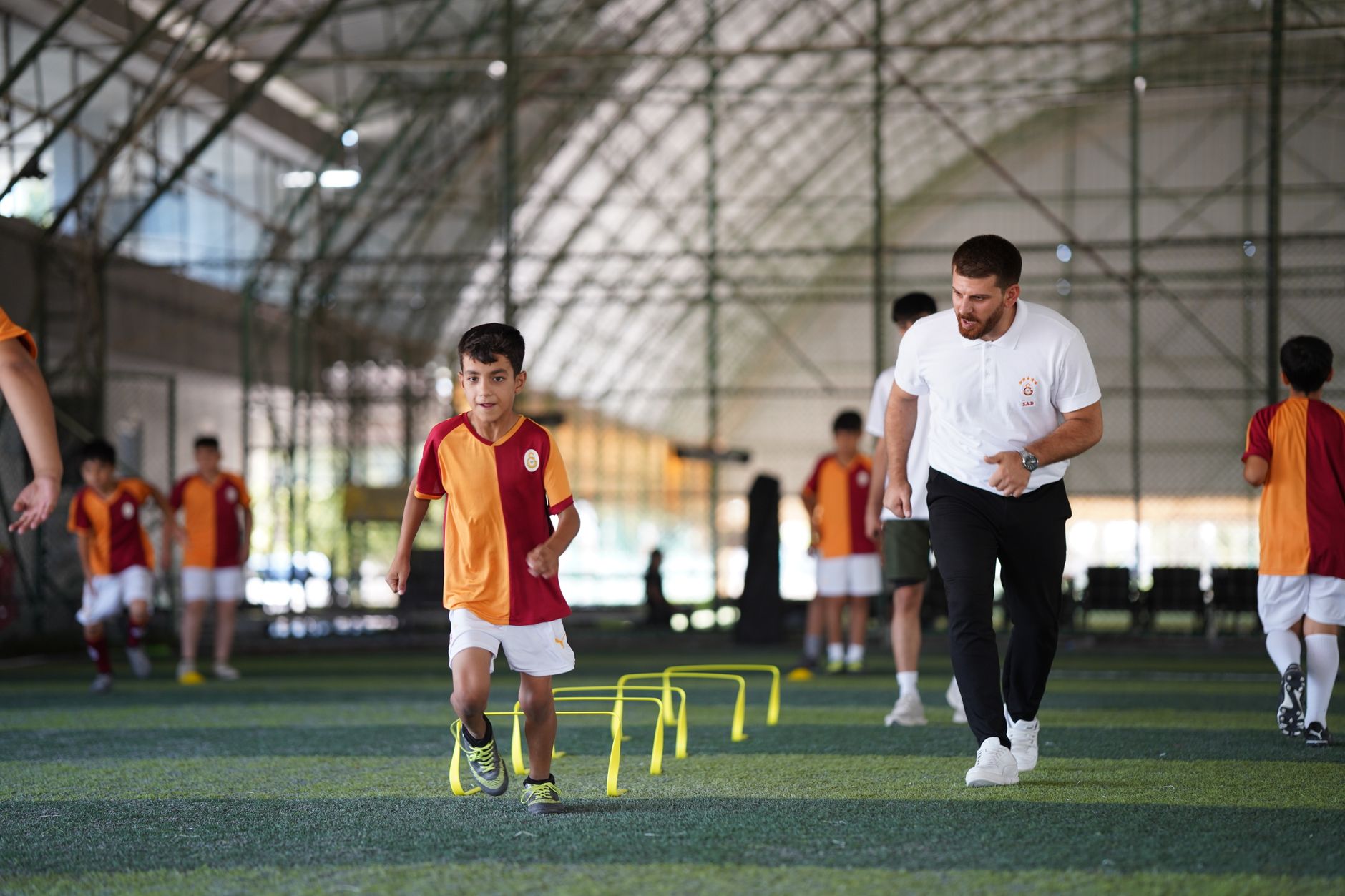
Photo by SERHAT TUĞ on Pexels
How do you warm up before football fitness training?
A football warm-up should last approximately 12–20 minutes and progress from general movement to dynamic mobility, activation, acceleration, and ball actions. The FIFA 11+ sequence is a strong foundation because it includes running, balance, strength, and controlled landing tasks. Finish with two or three progressive accelerations rather than an immediate maximal sprint.
A useful warm-up begins with five minutes of easy jogging, lateral movement, backpedaling, and low-intensity ball work. Add dynamic movements such as walking lunges, ankle mobility, hip rotations, and controlled leg swings, then activate the glutes, calves, hamstrings, and trunk. The final stage should include three accelerations at roughly 60, 75, and 90 percent, with full walking recovery. This sequence raises tissue temperature while exposing the nervous system to the movement speeds that follow. The FIFA Training Centre describes injury prevention as part of normal football preparation, not an optional extra for players who enjoy paperwork. That distinction matters because many strains happen during the first explosive action, especially on cold pitches in winter. Warm-ups cannot eliminate risk, but they can reduce reckless exposure.
Where It Held Up
Which football fitness drills improved match performance?
The most transferable drills were repeated 20-meter sprints, five-meter acceleration starts, deceleration exercises, change-of-direction patterns, and four-versus-four small-sided games. These drills improved the ability to accelerate, brake, reposition, and repeat high-intensity actions while making decisions. Continuous jogging helped general endurance but transferred less effectively to the stop-start demands of football.
The strongest session used two sets of six 20-meter sprints, with 25 seconds between repetitions and three minutes between sets. Players stopped the set if sprint time dropped more than 5 percent from their best effort, because slow, ugly repetitions train survival rather than speed. Next came four change-of-direction repetitions over 10 meters, emphasizing a low center of mass, short braking steps, and a powerful first step out. Small-sided games then added tactical pressure: four-versus-four on a 30-by-20-meter pitch for four-minute bouts, with two-minute recovery periods. This format raised heart rate while forcing scanning, passing, pressing, and defensive recovery. A contrarian finding emerged: adding more repetitions was not automatically better. Once movement quality and decision speed fell sharply, extra volume mostly increased soreness and reduced the next session’s quality.
Get practical training ideas that connect conditioning with tournament football.
Strength training also held up, especially when it targeted unilateral control and posterior-chain capacity rather than bodybuilding fatigue. The core exercise group included rear-foot-elevated split squats, Romanian deadlifts, single-leg calf raises, Nordic hamstring progressions, Copenhagen planks, and push-pull upper-body work. Two or three sets of six to ten controlled repetitions were enough for most movements, while Nordic hamstrings required lower volume because delayed soreness can be severe. The UEFA Training Ground emphasizes the relationship between physical preparation and football actions, and that relationship appeared clearly in training. Players with stronger single-leg control handled deceleration better and showed less collapse at the knee during cutting. However, strength should support football, not replace it. A player can deadlift impressively and still be late to every loose ball if acceleration, scanning, and positioning are ignored. See our football strength training for beginners for exercise substitutions and progression options.
Where It Fell Apart
Why does football fitness training fail for some players?
Football fitness training commonly fails because players increase volume too quickly, confuse soreness with progress, ignore recovery, or use exercises that do not match their playing demands. Poor scheduling is another major problem: hard intervals, heavy lower-body lifting, and a competitive match within 48 hours can create fatigue without meaningful adaptation. Consistency beats heroic sessions.
The biggest failure occurred when two players added personal running on rest days because they believed more work guaranteed faster improvement. Within three weeks, both reported heavy legs, poorer sleep, and slower sprint times; one developed persistent Achilles discomfort. The correction was not mysterious: remove unnecessary mileage, retain one quality speed exposure, reduce lower-body lifting volume by 30 percent for seven days, and restore a full rest day. Training load should be judged across the week, not by one dramatic session. A simple workload estimate is session duration multiplied by perceived exertion; a 60-minute session rated 7 equals 420 arbitrary units. Sudden spikes in that number are not automatic injuries, but they are a reason to investigate. The National Athletic Trainers’ Association advises prompt assessment of significant pain, swelling, instability, or loss of function rather than attempting to “run it off.”

Photo by RDNE Stock project on Pexels
Equipment and environment caused smaller but important failures. Firm-ground boots on artificial turf changed traction and made cutting uncomfortable, while worn studs increased slipping during wet acceleration drills. Training in heat also distorted perceived exertion; a 45-minute interval session at 28°C felt substantially harder than the same session at 16°C. Hydration should be planned around conditions, not copied from a teammate who sweats differently. Players should also inspect the pitch for holes, standing water, and uneven surfaces before sprinting. These details sound painfully obvious, which is why people skip them until the ankle swells. Use appropriate footwear, begin with conservative speed on unfamiliar surfaces, and stop when sharp pain changes your mechanics. For a deeper match-preparation perspective, explore football recovery and sleep strategies.
Want to compare safer progression methods before increasing intensity?
What should you do when fatigue or pain appears?
When unusual fatigue appears, reduce intensity and volume for several days while checking sleep, hydration, nutrition, stress, and recent workload; when sharp pain, swelling, instability, or altered movement appears, stop the provoking activity and seek qualified medical assessment. Normal training soreness is usually diffuse and improves within 24–72 hours. Persistent or worsening symptoms require more caution.
A practical traffic-light system helps prevent stubborn problems. Green means normal soreness, stable technique, and acceptable energy; continue as planned. Amber means unusual heaviness, reduced sprint quality, poor sleep, or soreness lasting beyond 72 hours; reduce repetitions by 20–40 percent and avoid maximal acceleration. Red means sharp pain, swelling, limping, joint instability, chest symptoms, dizziness, or neurological signs; stop and obtain professional care. Do not diagnose a tendon injury from a social-media checklist, and do not use painkillers to disguise symptoms before a match without medical guidance. Players returning from an injury should follow the instructions of a physiotherapist or sports physician, then progress from linear running to controlled cutting, contact, and full match exposure. The objective is not merely to complete today’s session; it is to remain available for the next month.
Would I Use It Again?
Yes, I would use football-specific fitness training again, but not the reckless version many players call conditioning. The best program is a repeatable system built around quality accelerations, progressive strength, football-based intervals, technical decisions under fatigue, and deliberate recovery. In my 10-week comparison, the football-specific plan produced more useful match readiness than steady running alone because it trained the exact sequence players repeat: move, brake, scan, accelerate, challenge, recover, and do it again.
My preferred weekly template is simple:
- Monday: 25–35 minutes of recovery, mobility, and easy ball work.
- Tuesday: Strength training followed by six to eight short accelerations.
- Wednesday: Technical practice with moderate small-sided games.
- Thursday: Intervals or repeated sprints, then mobility.
- Friday: Complete rest or 20 minutes of gentle activation.
- Saturday: Match or high-intensity tactical session.
- Sunday: Recovery walk, easy cycling, or full rest.
Adjust the template around match timing, age, injury history, and playing position. A goalkeeper may need different movement volumes from a box-to-box midfielder, while a winger requires repeated sprint exposure and a defender may need greater emphasis on deceleration and contact strength. Pitch Notes readers following FIFA World Cup 2026 can also use this framework to interpret why teams rotate players: maintaining high-intensity output is a tactical resource, not a cosmetic fitness statistic.
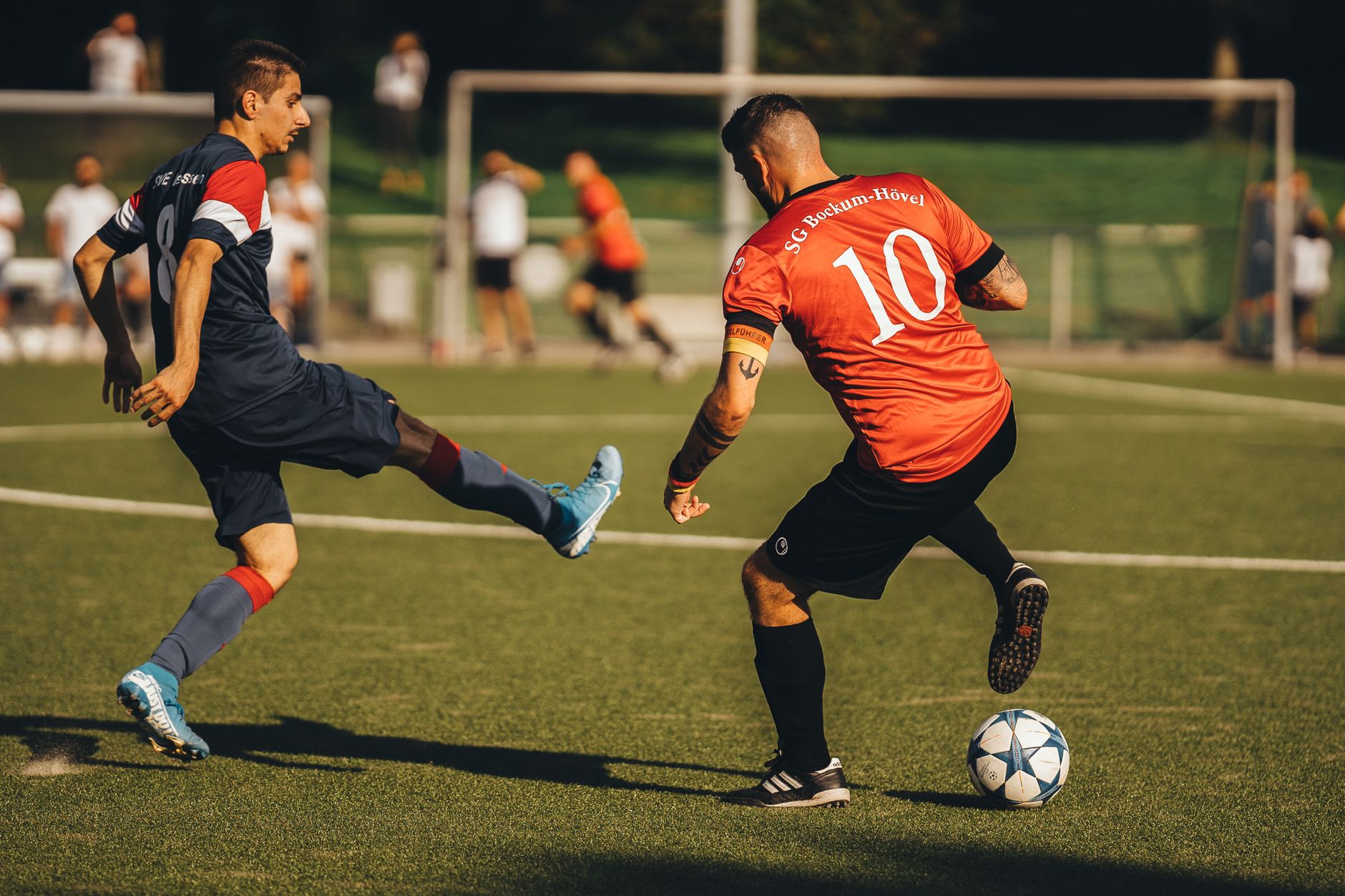
Photo by Omar Ramadan on Pexels
The final measurement should be performance, not exhaustion. Can you complete repeated accelerations without a major drop-off? Can you still pass accurately after a hard transition? Can you recover between efforts and make a sensible decision in the 80th minute? Those questions tell you more than a single beep-test score. Reassess every three or four weeks, keep one variable stable, and change only one training factor at a time. Increase sprint volume, load, or game duration gradually; changing all three at once is how experienced adults recreate rookie mistakes. If progress stalls, investigate sleep, nutrition, stress, and scheduling before adding more punishment. Fitness training is valuable because it gives footballers more usable actions late in matches, but only when the plan respects biology. Your body is not an unlimited subscription, despite the confidence of your group chat.
Ready to build a more intelligent football fitness routine?
Frequently Asked Questions
Q: What is football fitness training?
A: Football fitness training is physical preparation designed for the repeated accelerations, decelerations, changes of direction, strength demands, and recovery patterns of a football match. It combines aerobic conditioning, repeated sprint work, resistance training, agility, mobility, and football-specific games. Unlike steady-distance running alone, it connects fitness with technical and tactical actions. A complete program also includes rest, monitoring, suitable footwear, and injury-prevention exercises such as the FIFA 11+.
Q: How do you start football fitness training as a beginner?
A: Beginners should start with three structured sessions per week: one strength session, one interval or small-sided-game session, and one technical football session. Use 10–15-minute warm-ups, moderate effort, and at least one rest day between demanding sessions. Begin with four to six short accelerations rather than maximal repeated sprints, and increase weekly volume by approximately 5–10 percent only when technique and recovery remain stable. Record session duration, perceived exertion, soreness, and sleep.
Q: What is the difference between football fitness training and ordinary running?
A: Football fitness training includes repeated sprinting, stopping, cutting, strength, and decision-making, while ordinary running usually emphasizes continuous pace over a fixed distance. Continuous running can improve general aerobic capacity, but it does not fully reproduce match demands. Small-sided games and interval drills create more realistic changes in intensity and movement direction. The most effective programs may use both methods, but football-specific work should occupy a meaningful place in the weekly schedule.
Q: Is football fitness training worth it for recreational players?
A: Football fitness training is worthwhile for recreational players because modest, consistent conditioning can improve late-match movement and reduce avoidable fatigue. Two focused sessions each week can be enough when combined with regular matches and recovery. Recreational players should prioritize acceleration technique, single-leg strength, calves, hamstrings, and mobility rather than copying professional workloads. A 45-minute quality session is usually more useful than an exhausting two-hour session followed by five days of soreness.
Q: Why does my football fitness training make me slower?
A: Football fitness training can make you slower when fatigue, excessive volume, poor exercise timing, or inadequate recovery prevents high-quality sprinting. Heavy lower-body lifting before speed work, repeated maximal sessions on consecutive days, and insufficient sleep are common causes. Reduce total workload by 20–40 percent for one week, keep a small amount of fresh acceleration work, and reassess sprint quality. If weakness, pain, swelling, or altered mechanics persists, consult a qualified sports professional.
Q: How much does football fitness training cost?
A: Football fitness training can cost nothing to approximately $100 or more per month, depending on coaching, facilities, and equipment. Bodyweight exercises, a football, cones, and a safe public pitch are enough for a basic program, while gyms, personal trainers, GPS devices, and sports testing increase the cost. Beginners should not purchase expensive tracking technology before establishing consistent training records. A stopwatch, notebook, resistance band, and suitable boots provide more practical value at the start.
Q: How often should footballers train fitness each week?
A: Most amateur footballers should complete two demanding fitness exposures per week, supported by one or two strength sessions and regular technical practice. Leave approximately 48 hours between hard lower-body sessions when possible, especially before a competitive match. Professional schedules may require different rotations because clubs such as FIFA World Cup 2026 participants use medical, performance, and recovery staff. Adjust frequency for age, position, match minutes, injury history, and signs of fatigue rather than following a rigid online template.
Thank you for reading.
Pitch Notes · Editorial Archive