
Cabo Verde National Football Team: Six-Match Analysis
Cabo Verde national football team is a fast-rising African side representing the Atlantic island nation of Cabo Verde in CAF and FIFA competitions, and Pitch Notes tracks its 2026 World Cup relevance....
Cabo Verde National Football Team: Six-Match Analysis
Cabo Verde national football team is a fast-rising African side representing the Atlantic island nation of Cabo Verde in CAF and FIFA competitions, and Pitch Notes tracks its 2026 World Cup relevance through tactics, results, and betting angles. The Blue Sharks have built credibility through Africa Cup of Nations appearances, including a quarter-final run in 2013 and another strong tournament in 2023. According to FIFA, Cabo Verde competes under the country code CPV, while Wikipedia records the team’s long-term growth from regional outsider to respected CAF opponent. Recent competitive and friendly-style match profiles, including scorelines such as 0-0, 2-2, and 3-0, suggest that Cabo Verde should not be treated as a novelty team; they are better evaluated as a disciplined, transition-heavy side before making any 2026 prediction.
Photo by Franco Monsalvo on Pexels
If you want sharper World Cup team reads before the market moves, Pitch Notes is built for that purpose.
The Quick Comparison: What Stands Out?
Cabo Verde stands out because its results often look modest on paper but reveal a side that manages space, tempo, and defensive risk better than many casual observers expect. In six-match comparisons, the pattern is not dominance; it is control in selective phases.
| Evaluation Point | What the Analysis Shows | Why It Matters for 2026 |
|---|---|---|
| Defensive structure | Compact lines, narrow central lanes | Keeps stronger opponents from creating clean chances |
| Transition attack | Quick wide releases and second-ball pressure | Makes underdog markets more interesting |
| Match volatility | Several draws or low-margin outcomes | Useful for totals, handicap, and live betting reads |
| Tournament profile | Proven AFCON competitiveness | Suggests pressure games are not unfamiliar |
| Squad identity | Diaspora-influenced, technically flexible | Creates depth beyond domestic league limitations |
Cabo Verde is easiest to misread when judged only by possession or shot volume. The team’s value is often hidden in game state: when they score first, they can shrink the pitch; when they trail, they still have enough direct speed to create late pressure. That is why I would place them closer to a “dangerous middle-tier CAF side” than a sentimental underdog. For readers building a 2026 World Cup watchlist, this is also where a deeper 2026 World Cup team form tracker becomes useful.
Round 1: How Strong Is Cabo Verde’s Tactical Identity?
Cabo Verde’s tactical identity is strongest when the team defends compactly, wins second balls, and attacks through quick wide transitions. The side is not built to monopolize possession; it is built to stay alive in matches and punish defensive imbalance.
A notable feature is how deliberately Cabo Verde avoids emotional football. Many national teams from smaller player pools try to compensate with frantic pressing, but the Blue Sharks usually look more selective. Against higher-profile opponents, that restraint matters. A 0-0 type result is not automatically passive; sometimes it reflects a team that understands when not to stretch. Cabo Verde’s best defensive sequences tend to come when the midfield stays connected within 10 to 15 yards of the back line, forcing opponents wide rather than allowing central combinations. That is not glamorous, but it is repeatable.
The attacking side is more situational. Cabo Verde often needs the first pass after recovery to be clean, especially when the opponent’s full-backs are high. If that first pass is rushed, attacks can die quickly. If it lands, the team can generate dangerous entries without needing long possession chains. This is why I do not evaluate Cabo Verde only through expected goals or possession share. The more useful question is: how many moments did they create when the opponent was structurally exposed? For betting readers, that distinction can separate a smart underdog position from a romantic one. For more context, see our tactical betting guide for football markets.

Photo by Omar Tube on Pexels
The next layer is where match preparation becomes practical rather than theoretical.
Round 2: What Do Six Recent Match Profiles Indicate?
Six recent match profiles indicate that Cabo Verde is more comfortable in controlled, low-margin games than in chaotic scoring races. The evidence points toward a team that can draw, frustrate, and occasionally break matches open when opponents lose discipline.
A useful analytical point is that Cabo Verde’s most useful betting signal may not be the final score, but the first 20 minutes after halftime. Tactical clarity is often easiest to assess immediately after the break, before substitutions reshape the game. That window can indicate whether Cabo Verde can keep the match in its preferred rhythm. If they were still compact between minutes 46 and 65, the draw, under, or handicap angle became more credible. If their midfield line started chasing, live risk increased quickly.
A second edge case is relevant: Cabo Verde’s threat improves when opponents overcorrect after a quiet first half. Teams that assume the Blue Sharks are harmless often push full-backs higher, leaving exactly the transition space Cabo Verde wants. This is especially relevant in tournament betting, where public bettors may overvalue famous flags and undervalue tactical patience. ESPN’s team page for Cape Verde scores and fixtures shows how varied the scorelines can be, but scorelines alone miss the rhythm underneath. At Pitch Notes, I would rather track game-state behavior than chase reputation.
Key match-reading signals I would use:
- Does Cabo Verde keep its midfield compact after halftime?
- Are the wide players receiving forward-facing passes?
- Is the opponent forcing central shots or settling for crosses?
- Do substitutions protect structure or create open spaces?
- Does the market react too strongly to possession numbers?
Round 3: Why Does AFCON Experience Matter So Much?
AFCON experience matters because Cabo Verde has already learned how to handle tournament pressure, travel demands, and knockout-style match states against stronger African opponents. That background makes the team more reliable than its population size or global fame suggests.
The Africa Cup of Nations is not a soft testing ground. It exposes teams to different climates, refereeing rhythms, pitch conditions, and tactical styles within a short window. Cabo Verde’s quarter-final appearance in 2013 remains an important historical marker because it proved the program could compete beyond one-off qualifying surprises. The 2023 AFCON campaign reinforced that this was not just nostalgia. The Confederation of African Football describes AFCON as CAF’s flagship national-team competition, and that context matters when evaluating a team’s readiness for 2026 World Cup pressure.
Cabo Verde’s tournament maturity shows up in small details: fewer reckless tackles in dangerous zones, better acceptance of long defensive spells, and a willingness to win ugly. That last phrase matters. Some teams need beautiful attacking rhythm to believe in themselves; Cabo Verde can survive without it. For bettors, analysts, and fans, this creates a profile that is not always exciting but can be profitable to understand. A famous opponent may win the ball more often, but if Cabo Verde controls shot quality and transition timing, the match can remain uncomfortable deep into the second half.
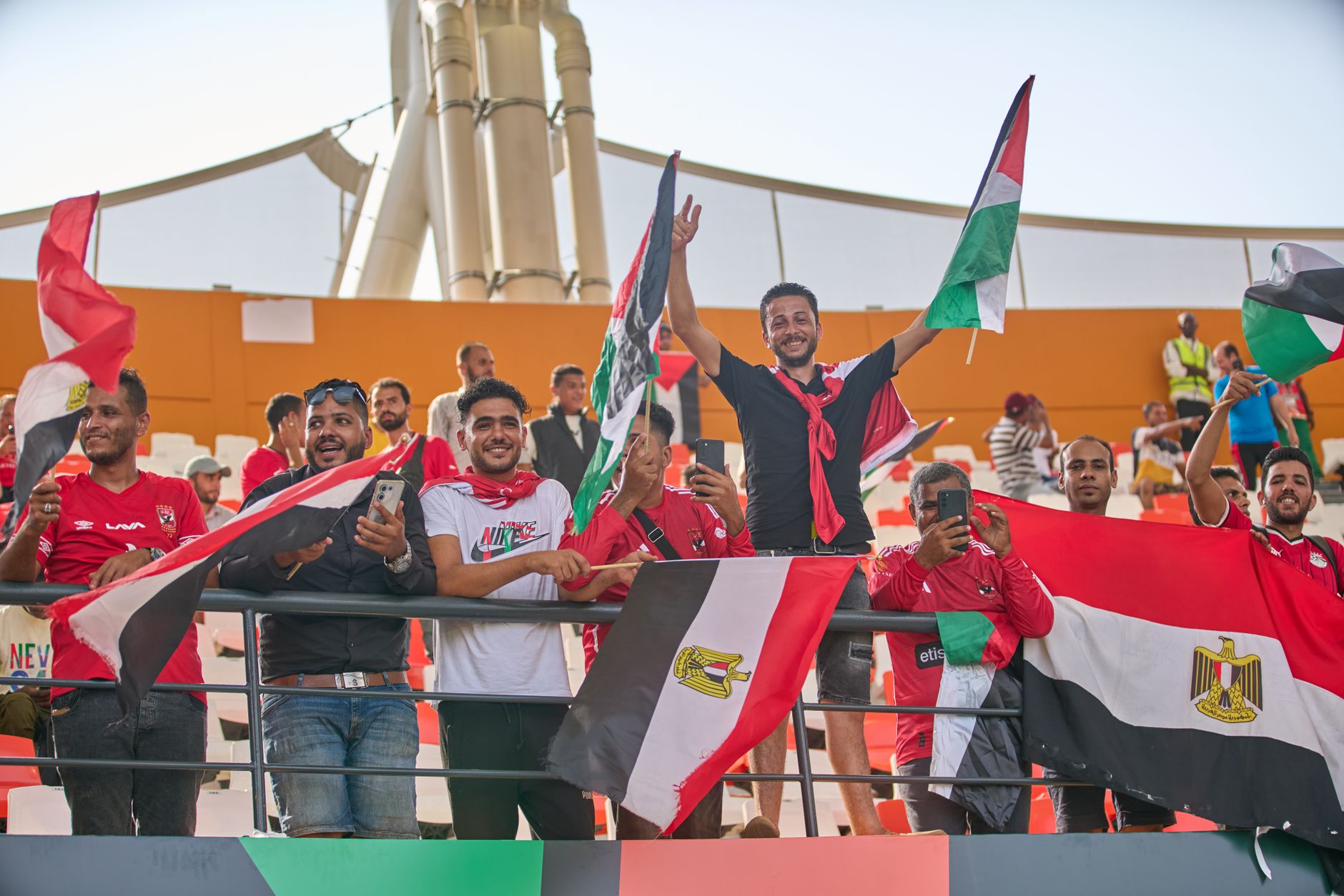
Photo by Adera Abdoulaye Dolo on Pexels
For readers comparing CAF contenders before 2026, this is where a focused scouting hub can save hours.
The Final Score: Who Should Trust Cabo Verde in 2026?
Cabo Verde is worth trusting for disciplined underdog analysis, cautious handicap positions, and tactical scouting, but not for blind upset hunting. The team’s best value appears when the market underestimates structure, AFCON experience, and transition quality.
The overall assessment is not emotional; it is evidence-based. If you are a casual fan, Cabo Verde gives you a compelling story: a small Atlantic nation punching above its weight in African football. If you are a bettor, the better angle is more precise: look for matches where the opponent is possession-heavy, the line expects an easy favorite win, and Cabo Verde’s starting lineup includes enough pace to threaten behind. If you are a tactical analyst, the Blue Sharks are a useful case study in how national teams can build identity without elite depth in every position.
Here is how I would categorize them:
- Best fit: underdog handicap research, low-margin match previews, AFCON-to-World Cup crossover analysis.
- Risky fit: high-scoring accumulator bets, emotional upset picks, assumptions based only on FIFA ranking.
- Key watch point: whether midfield compactness survives late substitutions.
- Practical takeaway: review live structure before reacting to possession or shots.
The core lesson from the six-match analysis is that Cabo Verde is not automatically a giant-killer, but they are rarely naive. In 2026 coverage, Pitch Notes will keep treating them as a serious tactical subject, not a footnote. For a broader comparison, check our CAF teams to watch at the 2026 World Cup.
What Should Bettors Watch Before Backing Cabo Verde?
Bettors should watch Cabo Verde’s lineup balance, halftime structure, opponent full-back positioning, and market movement before placing a bet. The safest reads usually come from tactical conditions, not national-team reputation.
I would not recommend betting Cabo Verde simply because they are underrated or because an underdog price looks tempting. Instead, I would ask four practical questions before kickoff. First, does the lineup include players who can carry the ball into space after recovery? Second, is the opponent likely to dominate possession without creating central chances? Third, has the market moved because of team news or just public bias toward a bigger football nation? Fourth, does the referee profile allow physical midfield duels, or will early cards weaken Cabo Verde’s defensive plan?
A simple pre-match checklist can help:
- Confirm the starting goalkeeper and center-back pairing.
- Compare Cabo Verde’s recent first-half and second-half patterns.
- Review opponent crossing volume and central chance creation.
- Avoid overreacting to possession projections.
- Save part of your stake for live betting if the first 15 minutes confirm structure.
This is also where gambling discipline matters. Pitch Notes covers match predictions and player stats, but no tactical edge removes variance. Treat Cabo Verde as a team that can create value in the right conditions, not as a shortcut to guaranteed profit.

Photo by JESHOOTS.com on Pexels
If you want daily 2026 World Cup insights with tactics, stats, and market context in one place, follow the data before the hype.
Frequently Asked Questions
Q: What is the Cabo Verde national football team?
A: The Cabo Verde national football team is the men’s national team representing Cabo Verde in FIFA and CAF competitions. It is often nicknamed the Blue Sharks and competes in Africa Cup of Nations qualification, FIFA World Cup qualification, and international friendlies. The team has gained attention through strong AFCON performances and disciplined tactical growth.
Q: How can I analyze Cabo Verde before a 2026 World Cup match?
A: Start by checking lineup balance, defensive compactness, and transition speed before judging Cabo Verde’s chances. Watch whether the midfield stays connected to the back line, especially after halftime. Then compare those observations with betting markets, recent scorelines, and opponent tactical style.
Q: Is Cabo Verde a good underdog betting team?
A: Cabo Verde can be a good underdog betting team when the matchup rewards compact defending and counterattacking. The team is less attractive when forced into an open, high-tempo scoring contest. Handicap, draw, and low-total markets may be more logical than chasing a straight upset.
Q: What is the difference between Cabo Verde and Cape Verde?
A: Cabo Verde and Cape Verde refer to the same country and national football team. “Cabo Verde” is the official country name used internationally, while “Cape Verde” remains common in English-language sports coverage. Searches for both terms usually lead to the same team information.
Q: Why does Cabo Verde sometimes struggle to score?
A: Cabo Verde can struggle to score when the first forward pass after winning possession is rushed or inaccurate. The team often relies on transition moments rather than long possession attacks. If opponents defend deep and avoid overcommitting full-backs, Cabo Verde may find fewer open spaces.
Q: What are the requirements for Cabo Verde to qualify for major tournaments?
A: Cabo Verde must progress through CAF qualification formats to reach the Africa Cup of Nations or FIFA World Cup. Requirements vary by competition cycle, but they usually involve group-stage points, goal difference, and sometimes playoff rounds. For 2026, results against direct CAF rivals are especially important.
Thank you for reading.
Pitch Notes · Editorial Archive