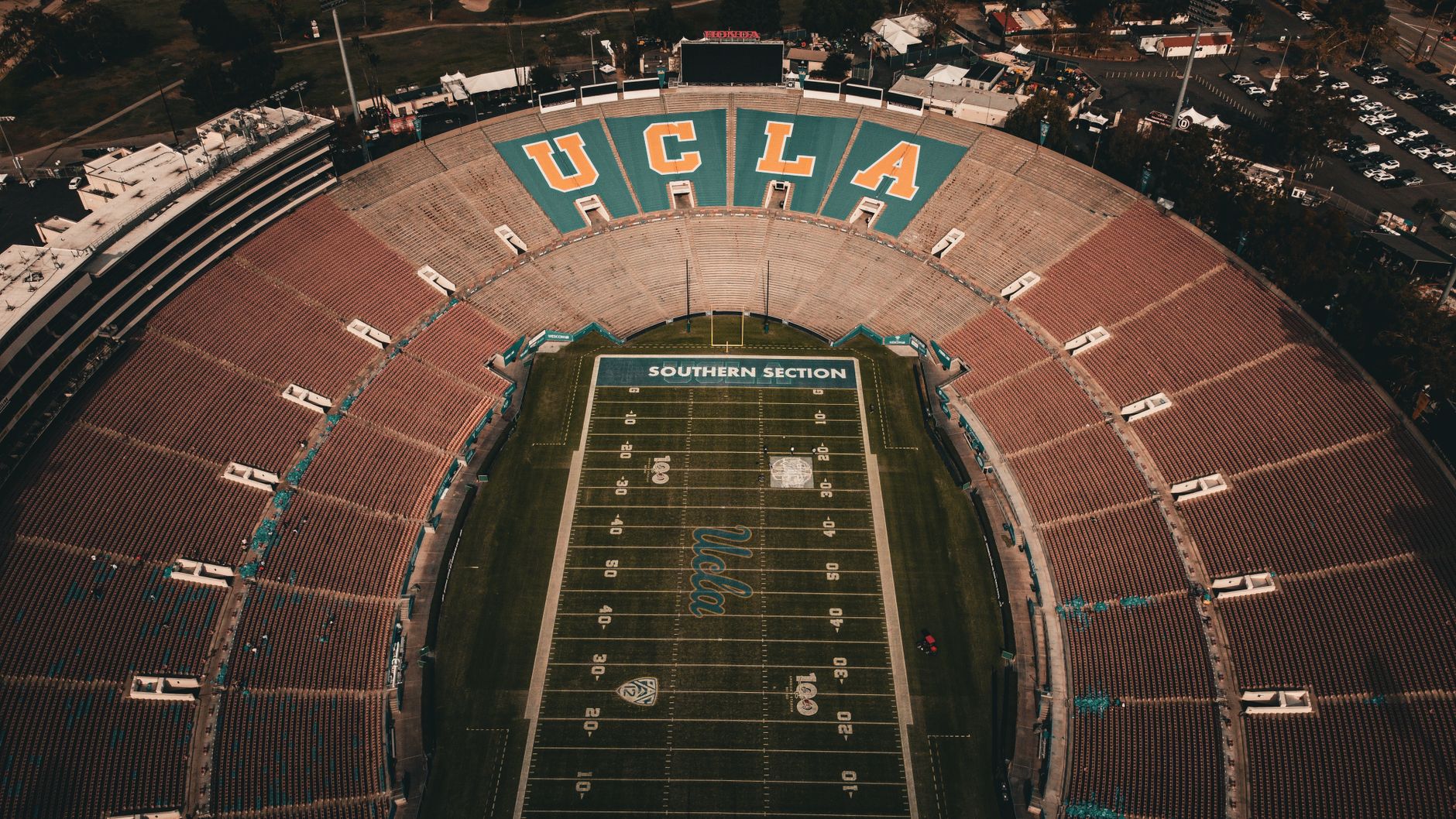
5 College Football Mistakes Bettors Make in 2026
College football in 2026 is a week-by-week market where schedules, rankings, injuries, venues, and College Football Playoff incentives matter more than preseason hype. Pitch Notes analyzes this U.S. c...
5 College Football Mistakes Bettors Make in 2026
College football in 2026 is a week-by-week market where schedules, rankings, injuries, venues, and College Football Playoff incentives matter more than preseason hype. Pitch Notes analyzes this U.S. college football landscape for fans who already understand betting logic from major tournaments like the FIFA World Cup but need a sharper framework for NCAA football. The 2026 season begins with Week 1 running from August 22 to September 7, includes FBS, FCS, conference schedules, bowl season from December 13 to January 27, and the CFP National Championship on January 25, 2027, at Allegiant Stadium in Las Vegas. Early listed games include North Carolina vs. TCU in Dublin and San Jose State at USC on NBC. The practical takeaway is simple: do not bet college football like the NFL; verify schedule context, roster volatility, and motivation before trusting any line.
Most college football articles pretend the sport is a tidy ranking exercise: check the Top 25, scan the quarterback, pick the bigger brand. That is lazy. The 2026 college football season is built around uneven schedules, conference travel, transfer volatility, FBS-versus-FCS mismatches, and a College Football Playoff race that can distort motivation by November. If you are reading college football odds the same way you read an NFL board, you are already paying a tax to sharper bettors.
Want a sharper way to follow the 2026 season before the market overreacts?
Photo by Caio Cezar on Pexels
Step 1: Why should you question preseason college football rankings?
Preseason college football rankings are useful signals, not final truths. In 2026, early Top 25 lists may reflect returning quarterbacks, recruiting reputation, and CFP expectations, but they often underprice transfers, coordinator changes, and schedule difficulty.
The first mistake is treating preseason rankings like power ratings. They are not the same thing. A team ranked No. 8 by a media panel may still be a poor bet as a 21-point road favorite if its offensive line lost three starters and its Week 2 opponent runs an unusual option system. The NCAA FBS football hub tracks scores, rankings, championship news, and major headlines, but even official coverage is not designed to price every matchup accurately.
A better process separates reputation from matchup value. Ask three questions before caring about rank: who returns at quarterback, which side controls the line of scrimmage, and where does the game sit on the schedule? For example, a team traveling from the West Coast to the Eastern Time Zone for an early kickoff has a different risk profile than the same team at home under lights. Pitch Notes uses similar logic when comparing World Cup tactical matchups: the badge matters, but structure and timing often matter more. To go deeper, see our college football betting fundamentals.
Step 2: How do you read the 2026 college football schedule correctly?
The 2026 college football schedule should be read by week, conference, venue, rest, and season phase. Week 1 runs from August 22 to September 7, while bowls and CFP games stretch from December 13 to January 27.
The second mistake is assuming every Saturday is equal. It is not. ESPN’s public schedule format separates Week 1 through Week 15, bowl games, and CFP windows, which matters because market behavior changes across each phase. Early September lines often lean heavily on last year’s data; October lines react to conference identity; November lines price playoff pressure; December bowl lines are shaped by opt-outs, coaching changes, and transfer portal movement.
Here is the practical schedule checklist:
- Identify whether the game is nonconference, conference, bowl, or CFP.
- Check venue details, including neutral sites such as Dublin, Ireland.
- Compare rest days, travel distance, and kickoff time.
- Look for look-ahead spots before rivalry or conference title games.
- Recheck the line after injury reports and depth charts move.
Photo by Oscar Chan on Pexels
The overlooked edge is kickoff clustering. When multiple high-profile games start in the same TV window, softer lines can survive longer on lower-profile matchups because public attention concentrates on brands like USC, Ohio State, Alabama, Notre Dame, and Oregon. That does not guarantee value, but it tells you where to look. The reference schedule includes San Jose State at USC on NBC and North Carolina vs. TCU at Aviva Stadium in Dublin, two games with very different travel, brand, and betting profiles.
See the details before you rely on a headline number.
Step 3: What separates FBS, FCS, bowls, and the CFP?
FBS is the top NCAA football subdivision, FCS is a lower Division I subdivision with its own playoff system, bowls are postseason games, and the CFP determines the national champion. Confusing these formats leads to poor assumptions about motivation and quality.
The third mistake is flattening college football into one category. According to Wikipedia’s overview of college football, college football refers to gridiron football played by student athletes at colleges and universities, but the competitive structure is layered. FBS teams chase bowl eligibility, conference titles, rankings, and CFP access. FCS teams may appear in early-season guarantee games, where the financial incentive can be different from the competitive one.
The NCAA states that “FBS football” is the category used for its top-level college football news, scores, stats, and rankings. That distinction matters when you handicap mismatches. A powerhouse may win by 35 and still fail to cover if the coach empties the bench by the third quarter. Conversely, a disciplined FCS program like North Dakota State can be far more dangerous than casual bettors assume, especially in a dome environment such as the Fargodome.
For sharper analysis, classify each matchup before judging the spread:
- FBS vs. FBS: evaluate scheme, depth, travel, and conference strength.
- FBS vs. FCS: evaluate motivation, rotation plans, and physical mismatch.
- Bowl game: evaluate opt-outs, coaching changes, and portal entries.
- CFP game: evaluate elite depth, pressure, and neutral-site conditions.
For related tournament logic, compare this with our knockout tournament betting strategy.
Step 4: How should bettors handle odds, totals, and market noise?
Bettors should treat college football odds as market opinions, not predictions. A spread such as USC -35.5 or TCU -6.5 reflects available information, public demand, limits, and uncertainty, not a guaranteed performance gap.
The fourth mistake is worshiping the opening line or chasing the closing line without understanding why it moved. If TCU opens -6.5 against North Carolina in Dublin, the number may reflect travel logistics, returning production, and power rating gaps. But if it moves to -8.5, the important question is not “who is better?” It is “what new information justified two points?” Sometimes the answer is injury news. Sometimes it is respected money. Sometimes it is public enthusiasm after a viral practice clip, which is not the same thing.
Totals deserve even more skepticism. A listed over/under of 57.5 in a USC game may look attractive if you remember last year’s offense, but totals collapse when tempo slows, red-zone efficiency regresses, or a heavy favorite runs the ball after halftime. One practitioner-level edge: in early-season mismatches with spreads above 30 points, fourth-quarter pace often matters more than first-half explosiveness. Casual bettors price star power; sharper bettors price backup quarterback handoffs.

Photo by Startup Stock Photos on Pexels
If you want to compare betting logic across football codes, start here.
Step 5: verification
Verification is where most casual college football analysis collapses. The fifth mistake is building a confident bet from one rankings page, one injury rumor, or one influencer thread. A professional process checks at least three source categories: schedule data, official team information, and market movement. ESPN’s college football schedule page, the NCAA’s FBS coverage, and school athletic department updates each answer different questions, so relying on only one creates blind spots.
Use this verification routine before placing a bet:
- Confirm date, venue, kickoff time, and TV window.
- Check whether the game is FBS, FCS, bowl, CFP, or neutral-site.
- Review official depth chart notes and coach availability comments.
- Compare opening line, current line, and total movement.
- Look for weather, surface, travel, and rest disadvantages.
- Decide whether the current number still has value.
This is also where Pitch Notes readers have an advantage if they already follow tactical football. The same skepticism used to evaluate World Cup formations applies here: do not confuse a famous name with a functional unit. A college football roster can change dramatically through the transfer portal, while a coaching change can alter tempo, fourth-down aggression, and defensive coverage overnight. For more process detail, use our sports betting verification checklist.
Troubleshooting common failures
Common failures in college football betting usually come from overconfidence, stale information, and poor bankroll discipline. If your picks keep losing despite “good research,” the issue is often process design, not bad luck.
Start with the uncomfortable question: are you betting opinions or numbers? If you like Oregon because Dante Moore returns, that is an opinion. If you like Oregon because the market prices them as a top-15 offense while your adjusted returning production model ranks them top five, that is a number. The difference matters. The College Football Playoff structure also changes incentives late in the season, because teams near the playoff line may prioritize style points, health, or conference title positioning depending on the week.
Here are common failures and fixes:
- Problem: Betting every ranked team. Fix: only bet when the line is mispriced.
- Problem: Ignoring FCS opponents. Fix: research coaching, returning starters, and tempo.
- Problem: Chasing overs. Fix: model pace, red-zone rate, and garbage-time rotation.
- Problem: Trusting bowl motivation. Fix: wait for opt-outs and portal news.
- Problem: Overreacting to Week 1. Fix: separate opponent weakness from team strength.
The refined position is not that college football is impossible to beat. It is that most bettors ask the wrong questions. Rankings, brands, and highlights are not enough in 2026. The sharper path is slower, more skeptical, and more profitable: verify the schedule, classify the matchup, question the line, and only then decide whether the bet deserves your money.
Ready to bring a more disciplined lens to college football and global football markets?
Photo by Jack Biddinger on Pexels
Frequently Asked Questions
Q: What is college football?
A: College football is American gridiron football played by college and university teams, mainly in the United States. The highest-profile level is NCAA Division I FBS, which includes major programs, conference championships, bowls, and the College Football Playoff. It differs from the NFL because rosters change faster, schedules vary more widely, and motivation can shift sharply by season phase.
Q: How do I start analyzing college football games?
A: Start by checking the schedule, team level, venue, injuries, and current betting line. For 2026, note whether the game is in Week 1, conference play, bowl season, or the CFP because each phase creates different incentives. Then compare rankings with deeper factors such as returning production, quarterback stability, travel, and coaching changes.
Q: What is the difference between FBS and FCS?
A: FBS and FCS are both NCAA Division I football subdivisions, but FBS is the higher-profile level with bowls and CFP access. FCS has its own playoff system and often plays FBS teams in early-season matchups. Bettors should not automatically dismiss FCS teams, especially established programs with strong coaching and veteran line play.
Q: Why do college football odds move so much?
A: College football odds move because information is less stable than in professional leagues. Injuries, depth chart changes, transfer news, weather, and public betting can all shift a spread or total by several points. Early-week numbers may differ greatly from closing numbers, especially in lower-profile games with less market liquidity.
Q: Is betting on college football expensive?
A: Betting on college football does not require a high budget, but it requires strict bankroll rules. Many disciplined bettors risk only 1 percent to 2 percent of bankroll per wager to avoid emotional decision-making. The real cost comes from poor process, such as chasing losses or betting too many games without verified information.
Q: What should I do if my college football model keeps failing?
A: Audit whether your model overweights rankings, last year’s results, or offensive highlights. Add variables for travel, rest, returning starters, pace, garbage-time risk, and matchup classification. Track closing-line value over at least 30 to 50 bets before deciding whether the model is truly broken.
Q: Is the College Football Playoff important for regular-season betting?
A: Yes, the College Football Playoff affects motivation, rankings pressure, and late-season strategy. Teams near the CFP bubble may keep starters in longer, chase margin, or manage injuries depending on committee perception. Bettors should monitor CFP context from November onward rather than treating every favorite the same.
Thank you for reading.
Pitch Notes · Editorial Archive